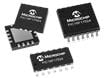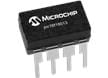

ATMEGA16-16MQ

Microchip Technology
556-ATMEGA16-16MQ
ATMEGA16-16MQ

Mfr.:

Paglalarawan:
8-bit Microcontrollers - MCU 16MHZ MLF EXT TEMP

ECAD Model:
I-download ang libreng Library Loader para i-convert ang file na ito para sa iyong ECAD Tool. Matuto nang higit pa tungkol sa ECAD Model.

Availability

Stock:
Hindi Naka-stock
Lead-Time ng Pabrika:
9 (na) Linggo Tinatayang oras ng paggawa sa pabrika.
Minimum: 1   Mga Multiple: 1
Presyo ng Unit:
₱-.--
Ext. Presyo:
₱-.--
Est. Taripa:

Presyo (PHP)

Dami Presyo ng Unit
Ext. Presyo
₱336.40 ₱336.40

Katangian ng Produkto Value ng Attribute Pumili ng Attribute
Microchip
Kategorya ng Produkto: Mga 8-bit Microcontroller - MCU
RoHS:  
AVR
16 kB
1 kB
MLF-44
16 MHz
10 bit
32 I/O
4.5 V
5.5 V
SMD/SMT
8 bit
- 40 C
+ 85 C
ATmega16
Tray
Brand: Microchip Technology
Uri ng Data RAM: SRAM
Laki ng Data ROM: 512 B
Uri ng Data ROM: EEPROM
Maselan sa Moisture: Yes
Series ng Processor: megaAVR
Produkto: MCUs
Uri ng Produkto: 8-bit Microcontrollers - MCU
Uri ng Memory ng Program: Flash
Dami ng Pack ng Pabrika: 360
Subcategory: Microcontrollers - MCU
Pangalang pangkalakal: AVR
Nahanap na mga produkto:
Para maipakita ang mga katulad na produkto, pumili ng kahit na isang checkbox man lang
Pumili ng kahit isang checkbox sa itaas para magpakita ng katulad na produkto sa kategoryang ito.
Mga Piniling Attribute: 0

Kailangang i-enable ang JavaScript para gumana ito.

CNHTS:
8542319090
CAHTS:
8542310000
USHTS:
8542310015
JPHTS:
8542310324
KRHTS:
8542311000
TARIC:
8542319000
MXHTS:
8542310399
ECCN:
EAR99

Functional Safety Solutions

Microchip Technology Functional Safety Solutions offer robustness, reliability, and safety to end-products. In some application segments, these requirements are formalized and mandatory, while in others, they are implemented to differentiate the product and take the step from a good product to an excellent product. The standards for functional safety depend on the market that is targeted. Many standards support multiple levels of rigorousness, which are applied depending on the likelihood and severity of the hazard. The methods of addressing hazards range from detecting single failures and putting the system into a safe state to full redundancy, where failures should not only be detected but also corrected without any interruption or degradation of service.